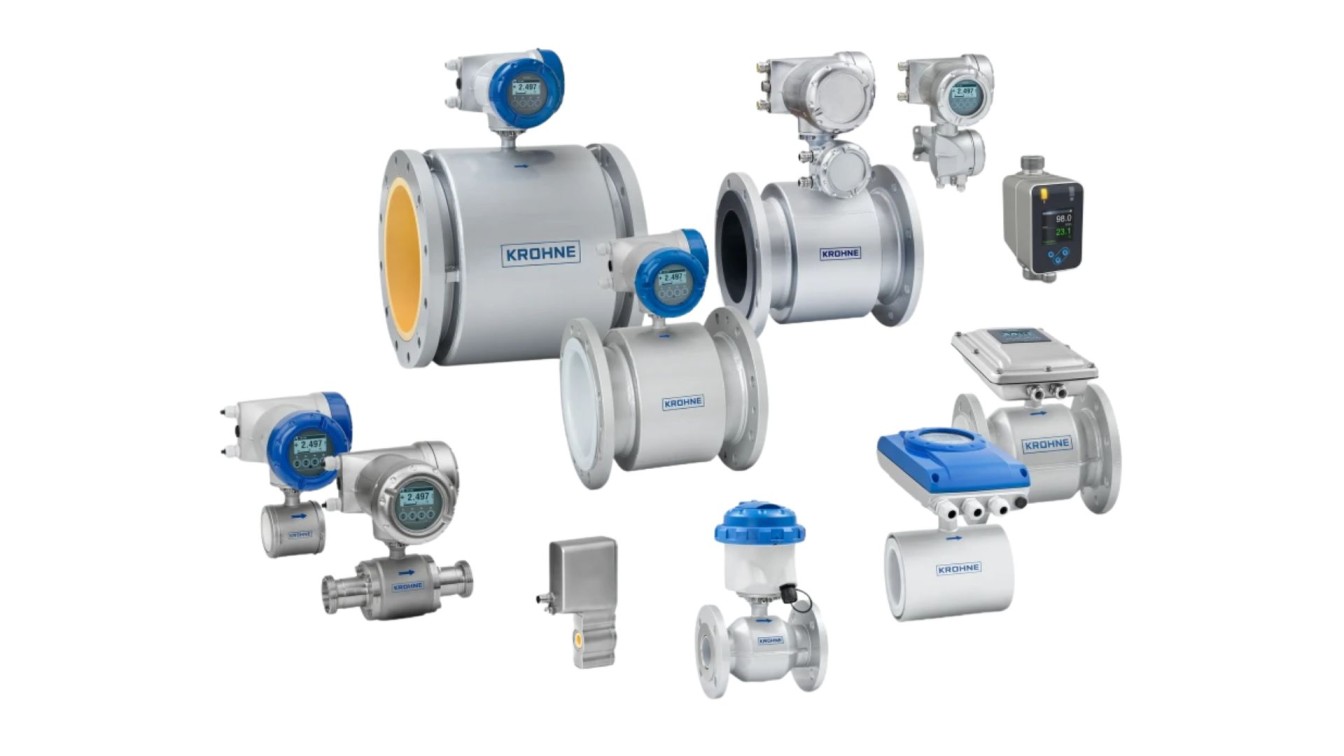
Electromagnetic Flow Meters
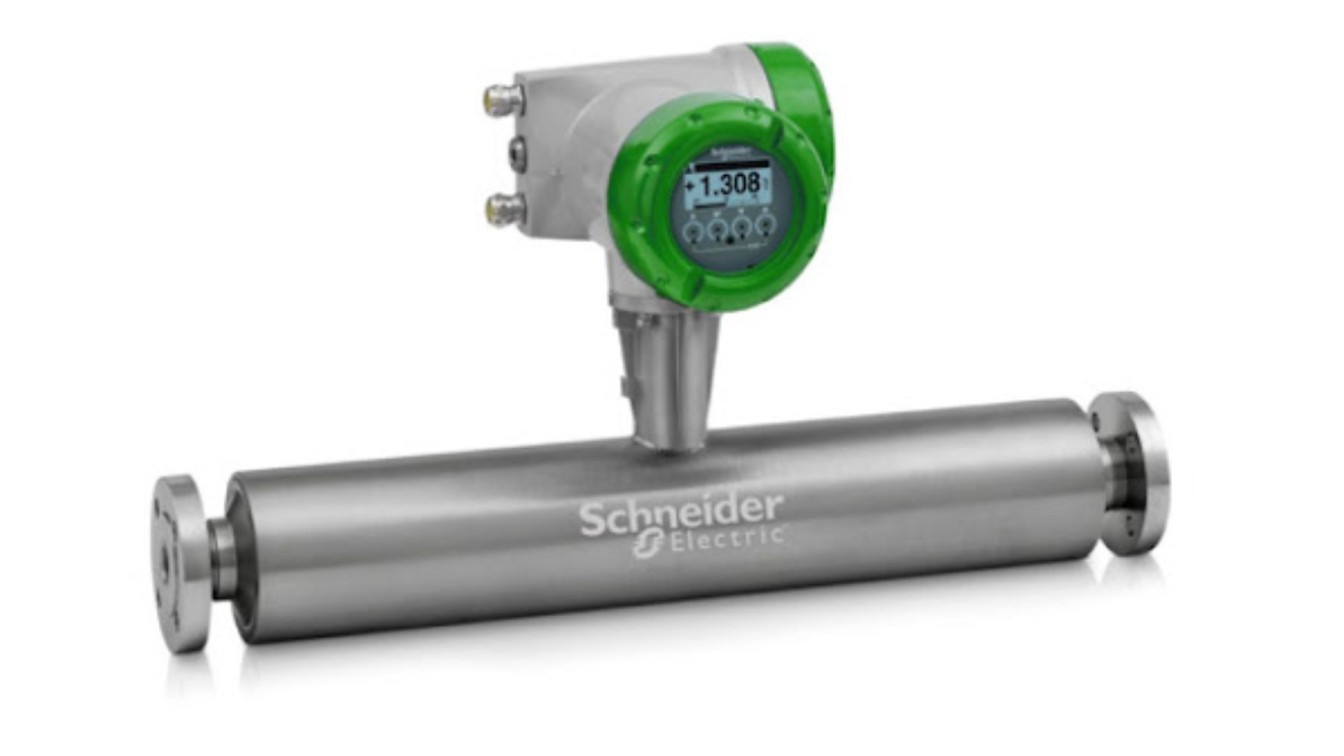
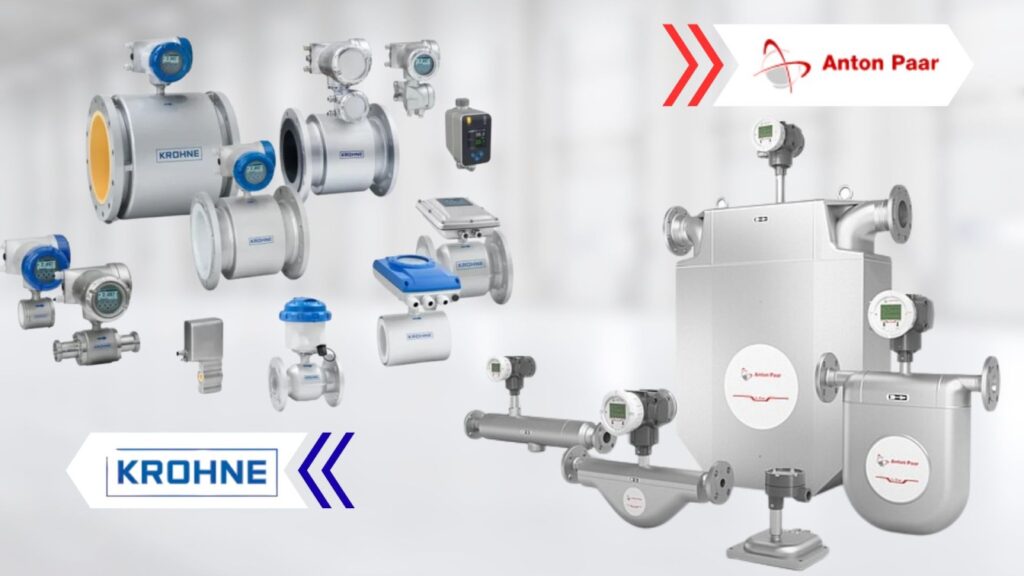
Coriolis Mass Flow Meters
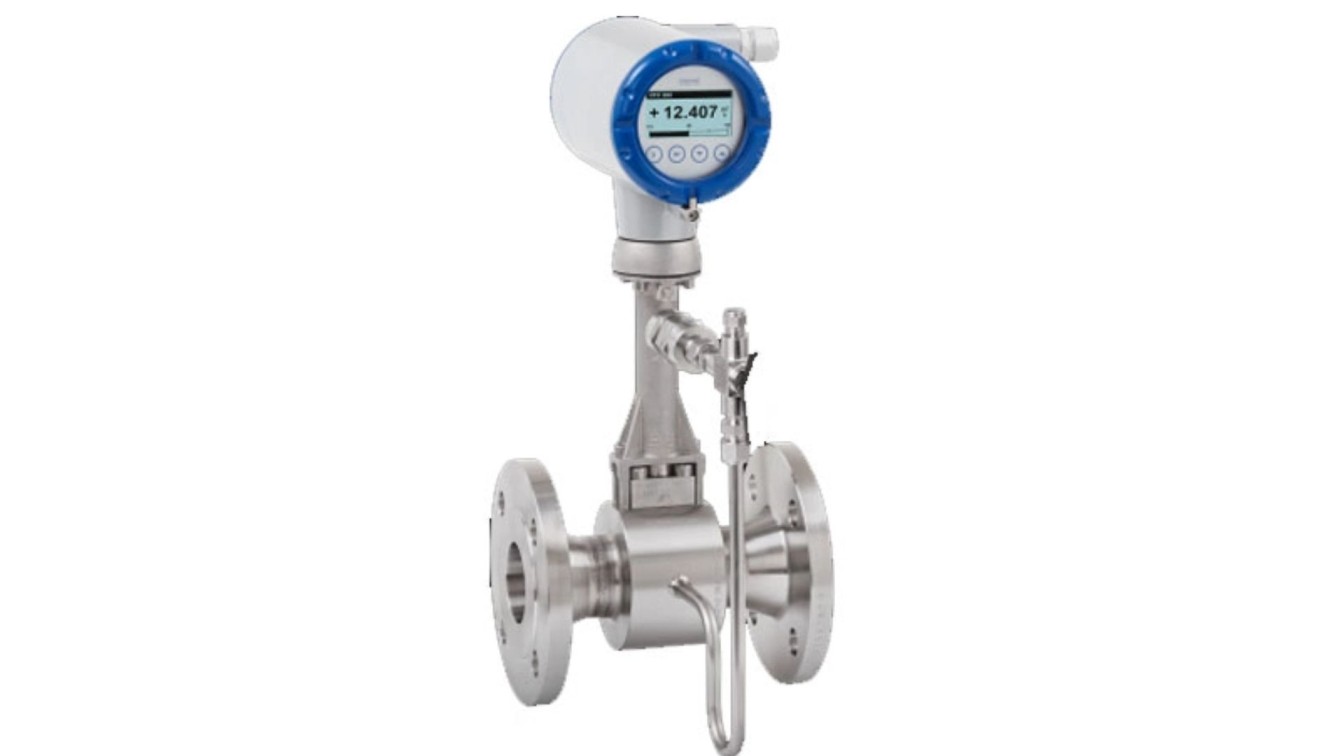
Vortex Flow Meters
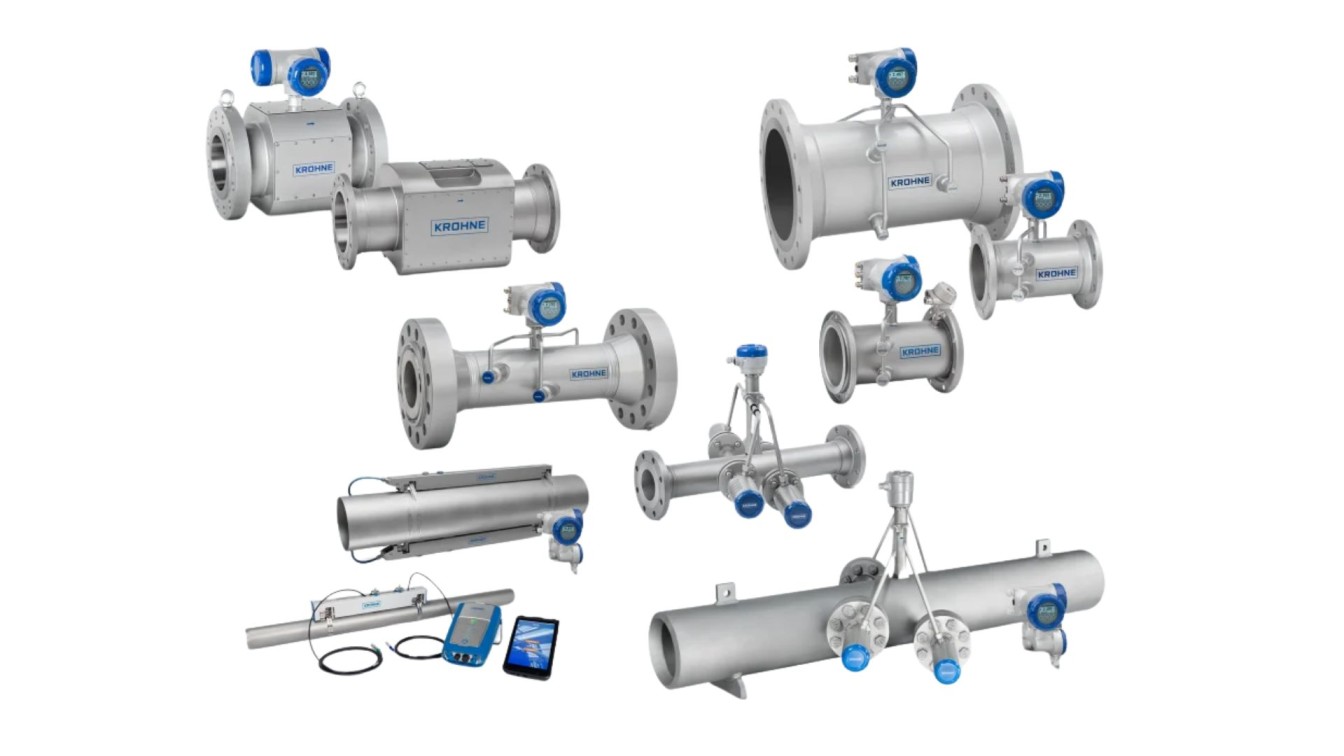
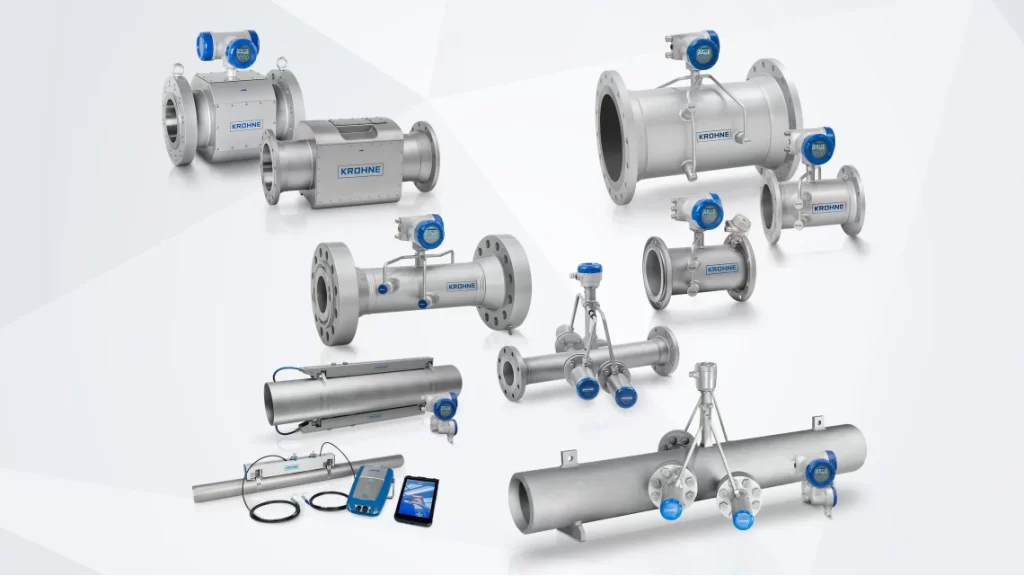
Ultrasonic Flow Meters
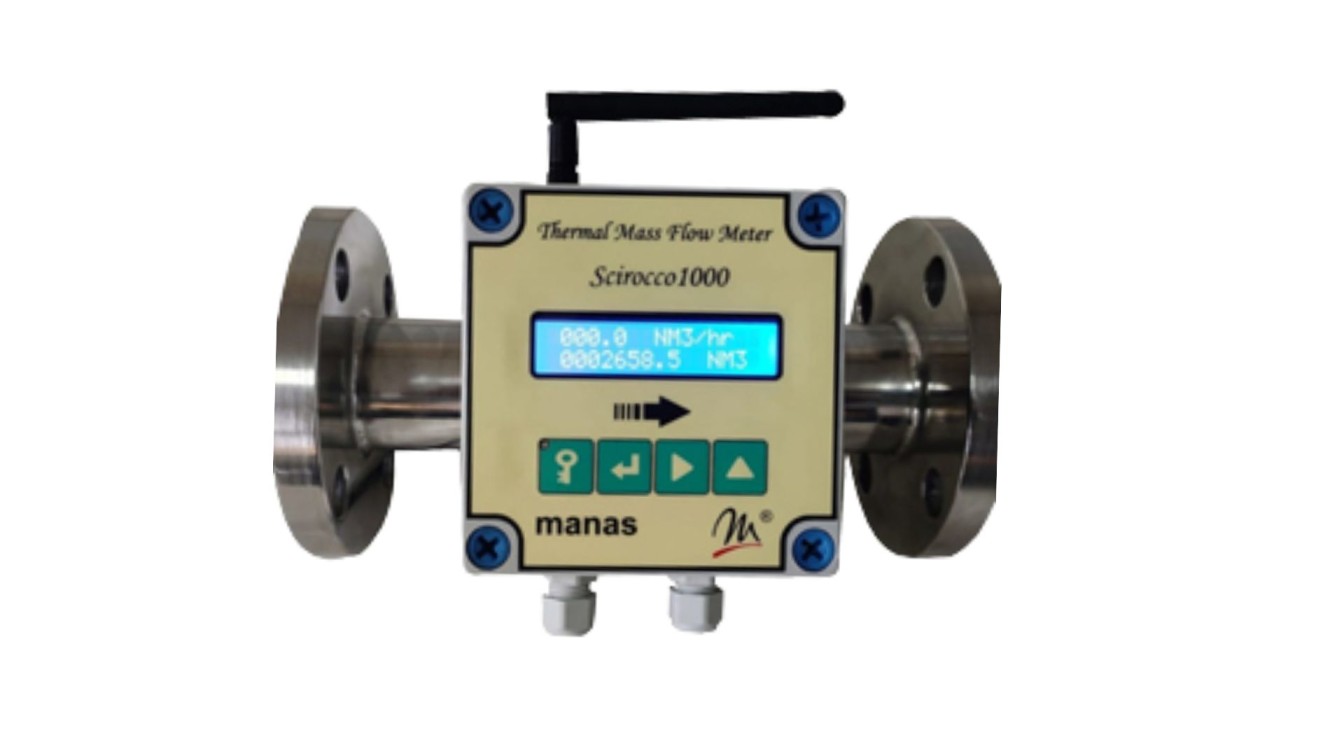
Thermal Mass Flow Meters
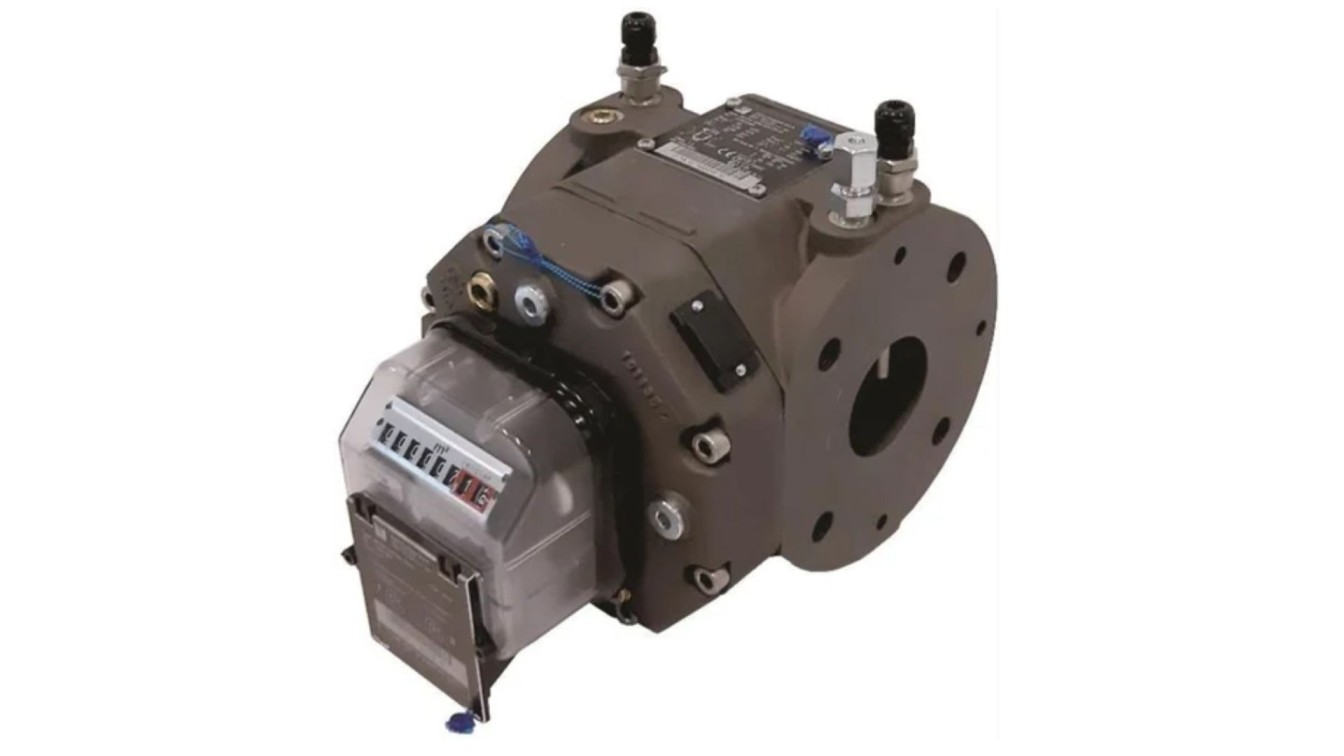
Turbine & RPD Flow Meters
Flow Meter Solutions — Accurate, Reliable Flow Measurement for Every Plant
Accurate flow measurement is critical to process control, energy management, custody transfer, and quality assurance. At NPK Industries & Co., we deliver complete flow measurement solutions — from sensor selection and supply to commissioning, calibration and lifecycle service. Whether you need instantaneous volume or mass flow, energy metering or density measurement, our product portfolio covers electromagnetic, ultrasonic (clamp-on & inline), vortex, Coriolis, and mechanical flow meters.
What is a Flow Meter?
A flow meter measures the quantity of fluid (liquid or gas) passing through a pipe per unit time. Different technologies measure flow by distinct physical principles:
- Electromagnetic (Mag) Flow Meters: Use Faraday’s law — conductive liquid moving through a magnetic field induces a voltage proportional to velocity. Best for water, slurries, milk, and conductive chemicals. No moving parts → long life.
- Ultrasonic Flow Meters: Use transit-time or Doppler methods. Clamp-on variants are non-intrusive and ideal for temporary audits; inline types are great for large pipes and non-clampable applications.
- Vortex Flow Meters: Measure vortices shed by a bluff body; good for steam, gases and liquids and can include built-in temperature/pressure for energy.
- Coriolis Mass Flow Meters: Directly measure mass flow (and density); best for high-accuracy mass measurement, density control and custody transfer. It can be used for brix measurement also.
- Mechanical Flow Meters: Turbine, positive displacement and paddle-wheel meters — simple, cost-effective for stable media.
Technical Descriptions
When requesting a quote or preparing an offer, include the following technical details so NPK can size and recommend correctly:
- Fluid type (water, milk, slurry, acid, solvent, steam)
- Pipe material & size (DN / OD) and schedule
- Flow range (normal) or velocity (m/s)
- Operating temperature & pressure
- Wetted-material compatibility (SS316L, Hastelloy, PTFE lining)
- Output & communication (4–20 mA, HART, Modbus, Profibus, Ethernet)
- Hazardous area / approvals (ATEX, IECEx, SIL)
- Installation constraints (insertion style, straight-run availability)
- Special features: custody transfer, energy/heat calculation, EGM (Entrained Gas Management)