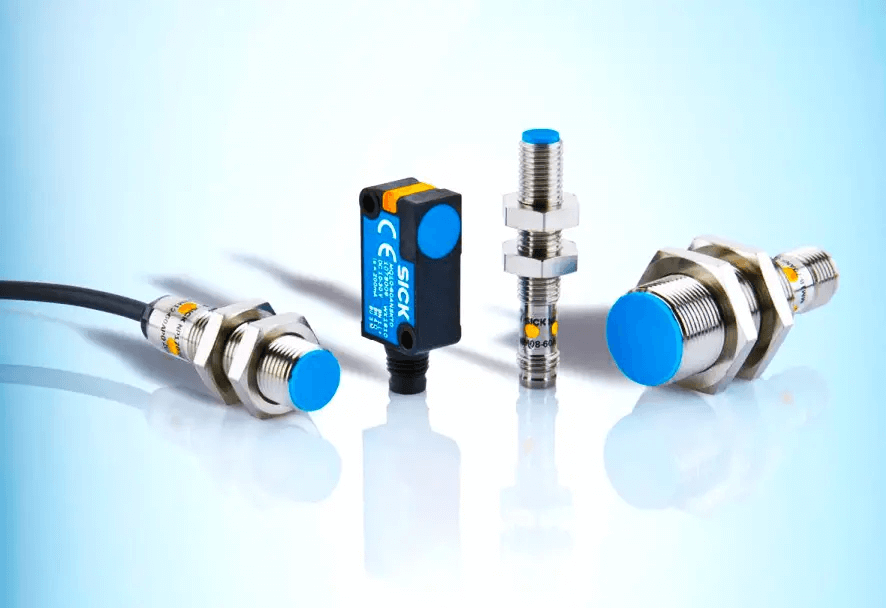
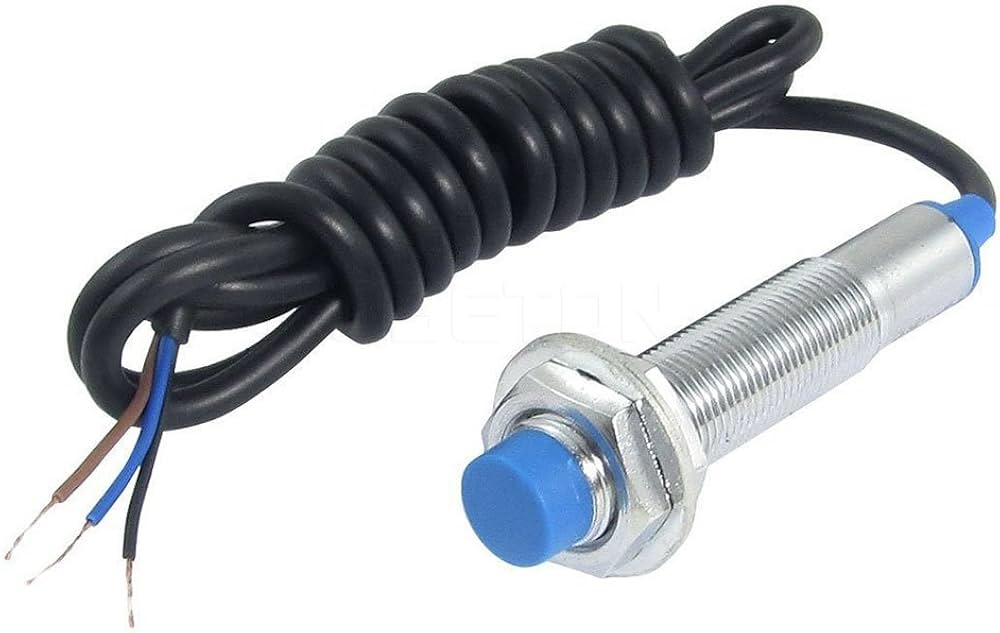
Proximity Sensors – Inductive & Photoelectric Sensors for Industrial Automation
Proximity sensors are essential components in modern industrial automation systems, enabling non-contact detection of objects, machine parts, and materials with high accuracy and reliability. Unlike mechanical limit switches, proximity sensors operate without physical contact, eliminating wear and tear while ensuring long service life, high switching speed, and consistent performance in harsh industrial environments.
Proximity sensing technology is widely used in manufacturing, packaging, automotive, material handling, food & beverage, pharmaceutical, steel, power plants, cement, and OEM machinery, where precise detection and position feedback are critical for productivity and safety.
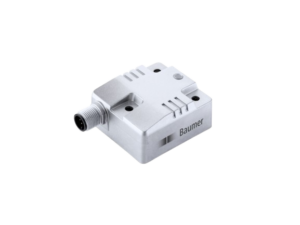
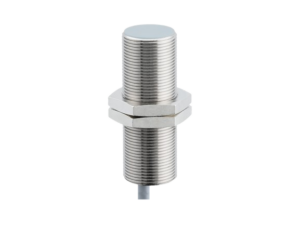
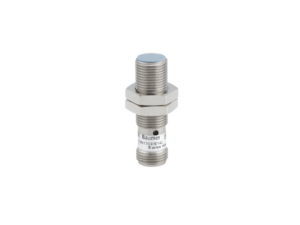
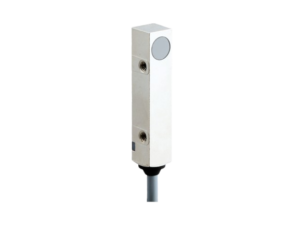
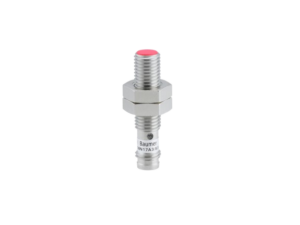
At NPK Industries, we offer a complete range of inductive and photoelectric proximity sensors including IGYX Series, IFFM, IFRM, IR18S, GIM500R, O300, U300, U500, and CFAK, designed to meet diverse industrial sensing requirements.
Inductive proximity sensors are specifically designed to detect metallic objects using electromagnetic field interaction. When a metal target enters the sensor’s sensing zone, eddy currents are induced in the target, causing a change in the oscillation circuit, which triggers the sensor output.
These sensors are unaffected by dust, oil, moisture, vibration, or ambient light, making them ideal for harsh industrial environments.
2. Photoelectric Proximity Sensors
Photoelectric sensors detect objects using a light beam (infrared or visible). Detection is independent of metal content, allowing reliable sensing of plastic, glass, paper, liquids, and transparent materials.
The IGYX series is engineered for high-performance metal detection in demanding industrial applications. These sensors provide stable sensing performance even in high-temperature, vibration-prone, and electrically noisy environments.
Technical Characteristics:
Non-contact metal detection
Extended sensing distance for steel and non-ferrous metals
High switching frequency for fast automation cycles
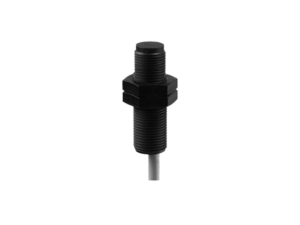
IFFM and IFRM series inductive sensors are widely used in general automation due to their compact size, robust construction, and reliable switching behavior.
Key Features:
Compact cylindrical design (M8, M12, M18, M30)
Flush and non-flush mounting options
Stainless steel or nickel-plated brass housing
Short response time for high-speed applications
Excellent repeatability and long service life
Applications: Automotive body shops, material handling systems, bottling lines, and OEM machinery.
IR18S Inductive Proximity Sensor
The IR18S series is designed for applications requiring precise detection in confined spaces while maintaining strong mechanical durability.
Technical Advantages:
High switching accuracy
Resistance to shock, vibration, and oil exposure
Stable detection in fluctuating temperature conditions
Photoelectric sensors provide flexible object detection regardless of material type. They are available in through-beam, retro-reflective, and diffuse reflection configurations.
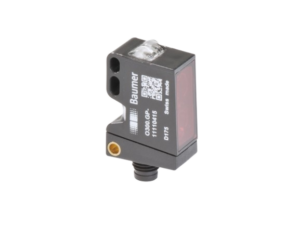
O300 Photoelectric Sensors
The O300 series offers reliable object detection in compact industrial installations where space is limited.
Technical Features:
Long sensing range
Fast response time
Adjustable sensitivity
Stable detection of small and fast-moving objects
Compact housing with easy alignment
Applications: Conveyor systems, packaging lines, component detection, and object counting.
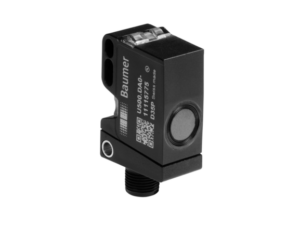
U300 & U500 Photoelectric Sensors
The U300 and U500 series are designed for demanding detection tasks involving transparent, reflective, or irregular objects.
Key Technical Benefits:
Reliable detection of glass, plastic, and transparent materials
High immunity to ambient light interference
Stable performance in dusty and humid environments
Proper selection ensures accurate sensing, longer sensor life, and trouble-free operation.
Why Choose Our Proximity Sensor Solutions?
At NPK Industries, we offer:
Globally trusted sensor technologies
Wide model range for every application
Technical support for sensor selection
Reliable performance in harsh environments
Solutions compatible with PLC and automation systems
Our proximity sensor portfolio is designed to meet both general automation and heavy-duty industrial requirements with consistent accuracy and durability.