
Analytical Measurement – Precision Water & Process Quality Monitoring for Modern Industries
Analytical Measurement Solutions – pH, Conductivity, Dissolved Oxygen, Turbidity & BOD/COD Systems
Analytical measurement is fundamental to process consistency, regulatory compliance, product sterility, effluent discharge monitoring, water purity validation, and batch release accuracy across industries such as pharmaceuticals, food & beverage, power plants, breweries, chemical reactors, dairy, biotech fermentation facilities, zero liquid discharge plants, sewage treatment, desalination, DM water generation, and purified water distribution loops. Modern analytical instruments combine stable sensor chemistry, fast response kinetics, real-time data integration, and SCADA mapping to ensure continuous purity traceability and predictable control logic for utilities, boiler feed streams, cooling towers, WWTP aeration basins, fermentation loops, and clean-steam generation lines. With higher environmental compliance norms, accurate field measuring solutions are now mandatory to meet CPCB, WHO, US FDA, cGMP, BSI, EPA, and IMS water safety codes.
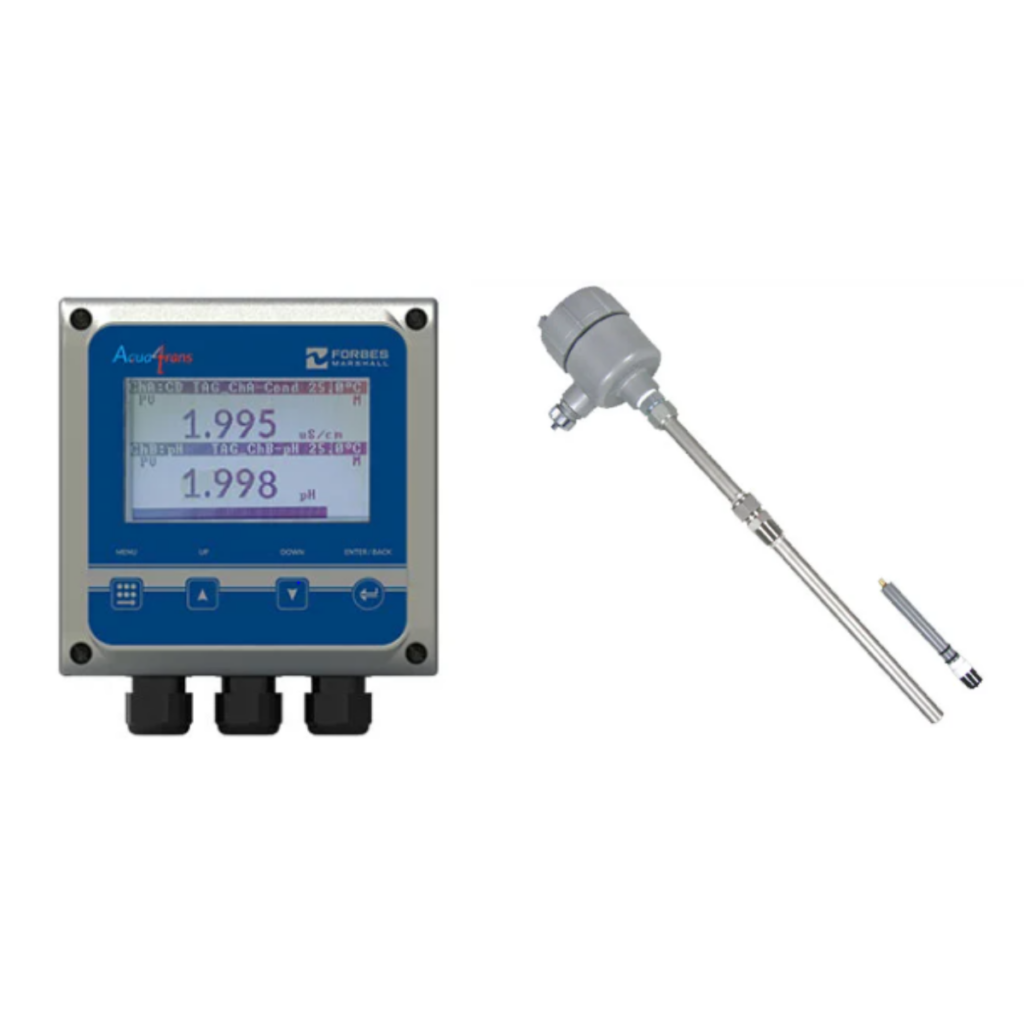
PH Meter/ ORP Meter
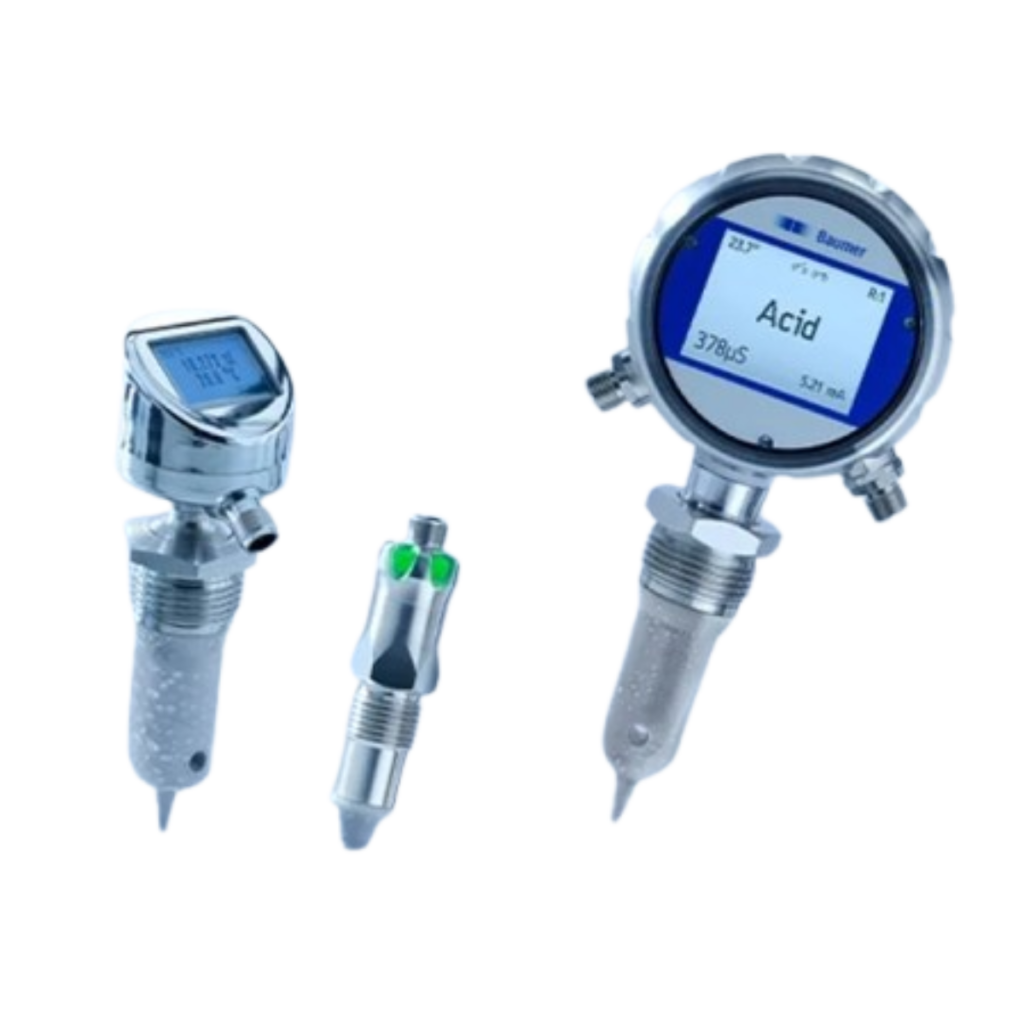
Conductivity Meter/ TDS Meter
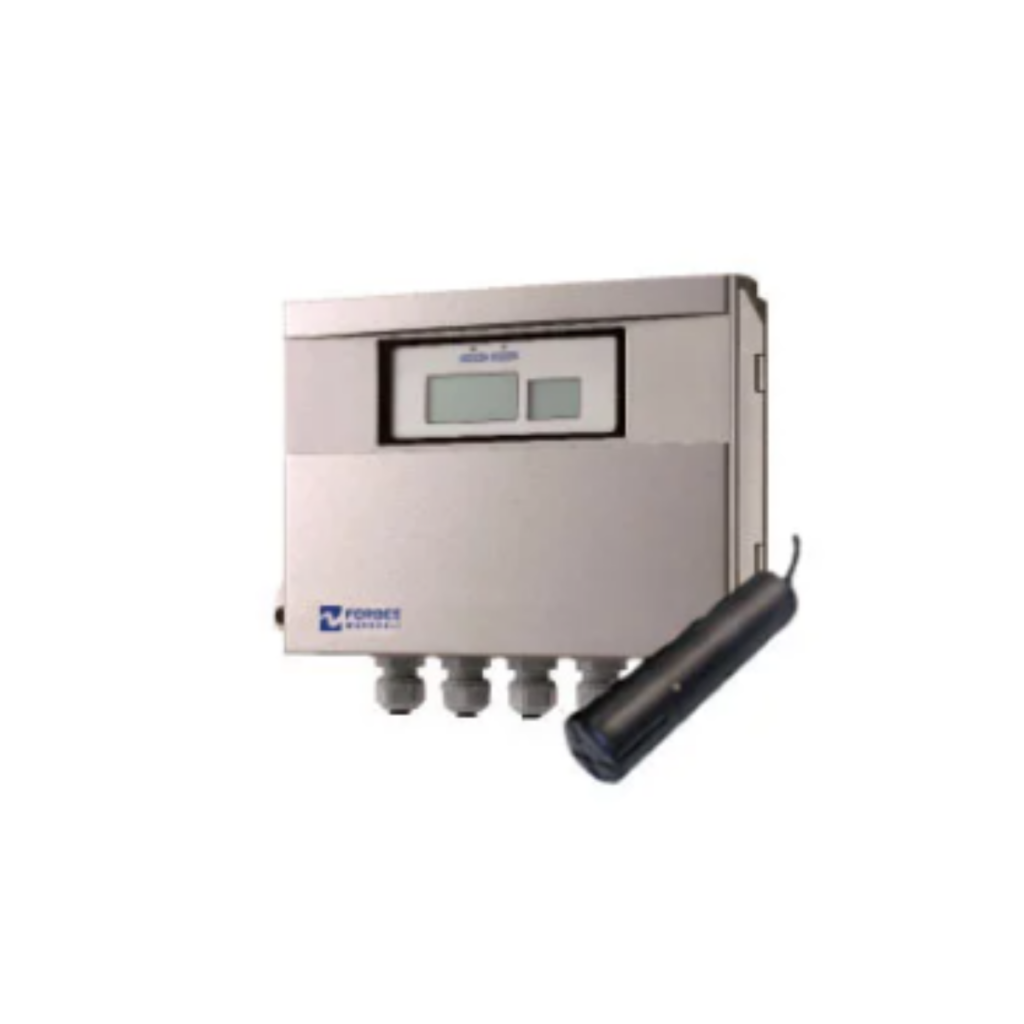
DO Analyser
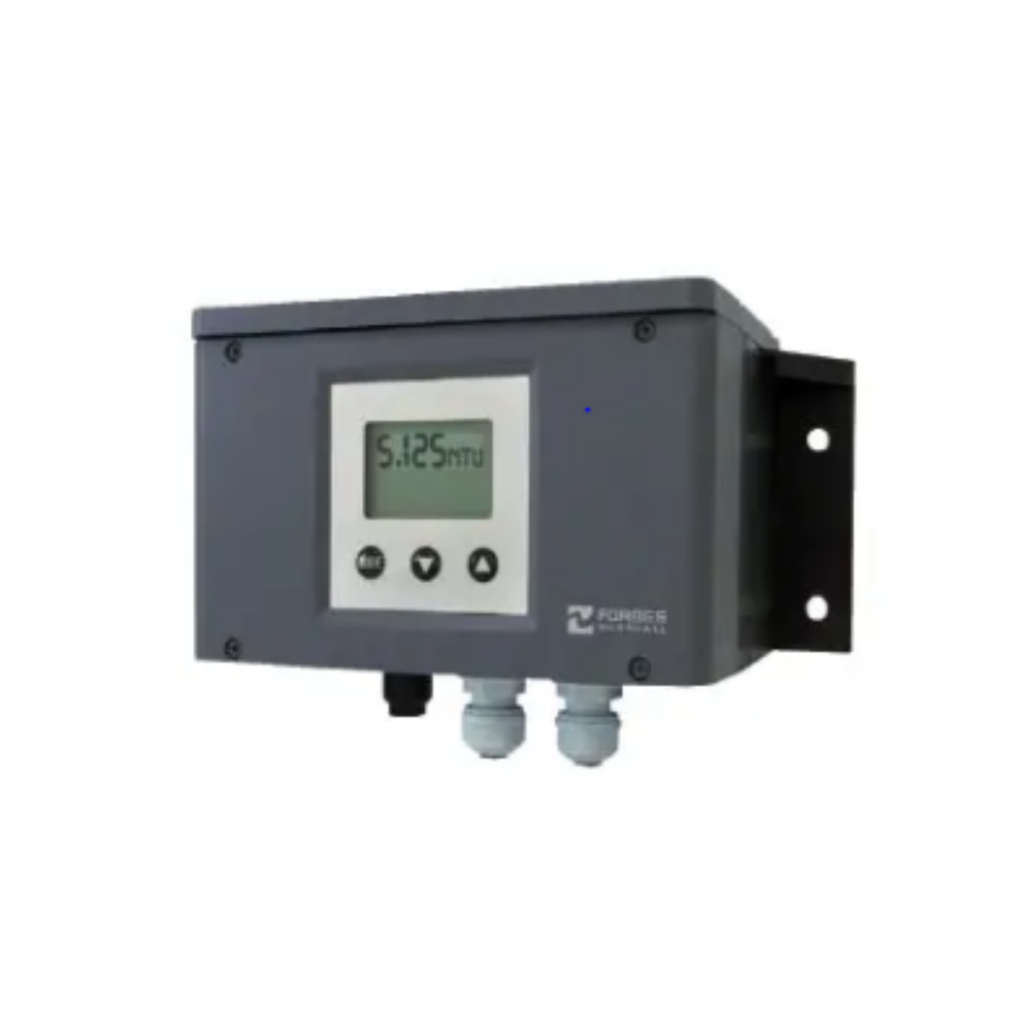
Turbidity Analyser, MLSS, Chlorine
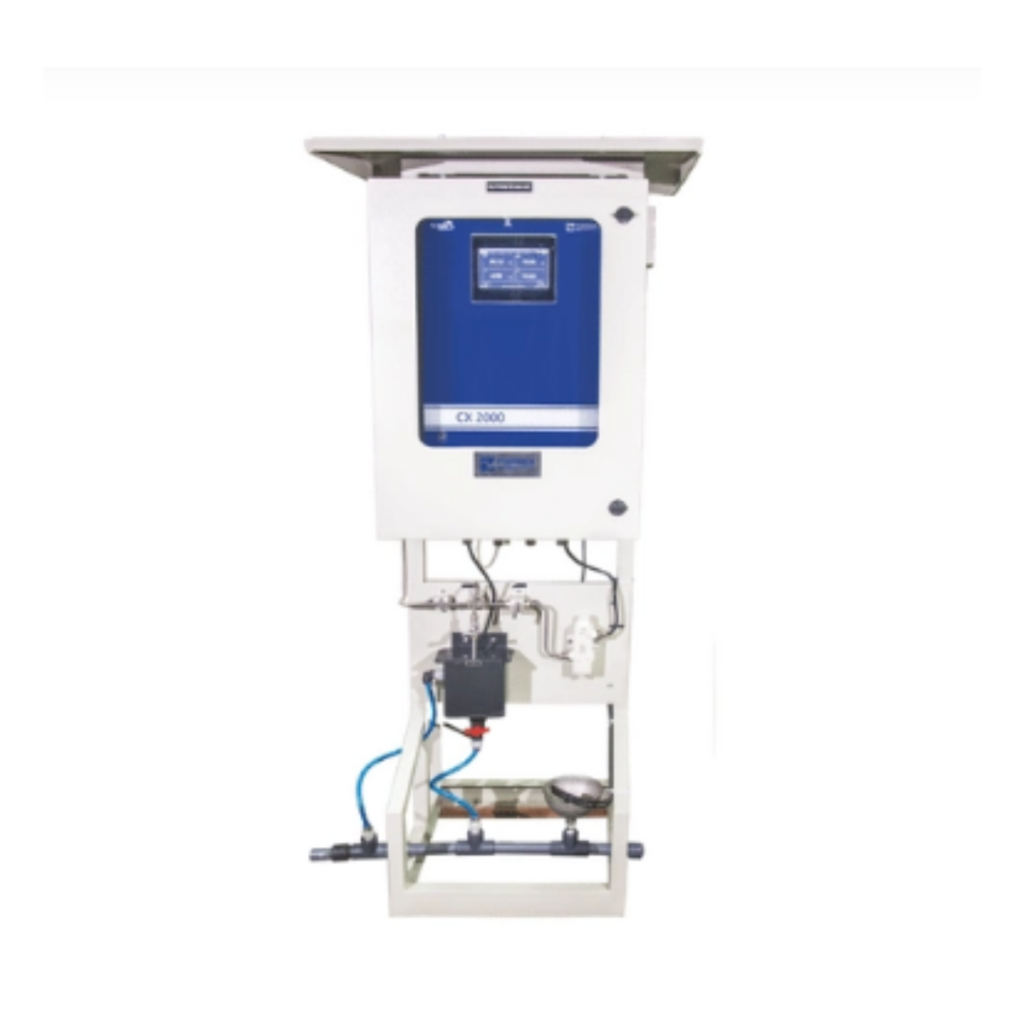
BOD/COD Multiparameter Analyser
PH & ORP Measurement Systems
pH monitoring governs biological reaction rates, chemical dosing precision, CIP detergent validation, boiler alkalinity control, caustic recovery, fermentation control, and RO membrane safety. Industrial pH analyzers like Forbes Marshall Aqua 2 Trans, Aqua 2000 Pro, Aqua 4Trans, SmartPro 8966 and Hach GLI Pro platforms integrate fast-response probes with temperature compensation, stable liquid junctions, and automatic calibration intelligence. These systems deliver drift-free sensing in aggressive media such as caustic soda, citric acid wash, chlorine-treated water, low-conductivity purified water, and fermentation broth.
ORP (Oxidation Reduction Potential) measurement complements pH in systems requiring redox activity indication—chlorination control, ozone sterilization, peroxide disinfection, electroplating rinse baths, brewery bottle-wash return, swimming pools, and high-purity CIP loops. Forbes Marshall high-reliability ORP sensors manage disinfectant decay tracking, oxidant strength monitoring, and biofilm risk assessment in beverage filling stations, dairy pipelines, and purified water circulation skids. Hach GLI technology employs advanced reference junctions to reduce poisoning from sulfides or halide ions, ensuring longer probe life and chemically inert measurement in bleach dosing units and cooling tower biocide programs.
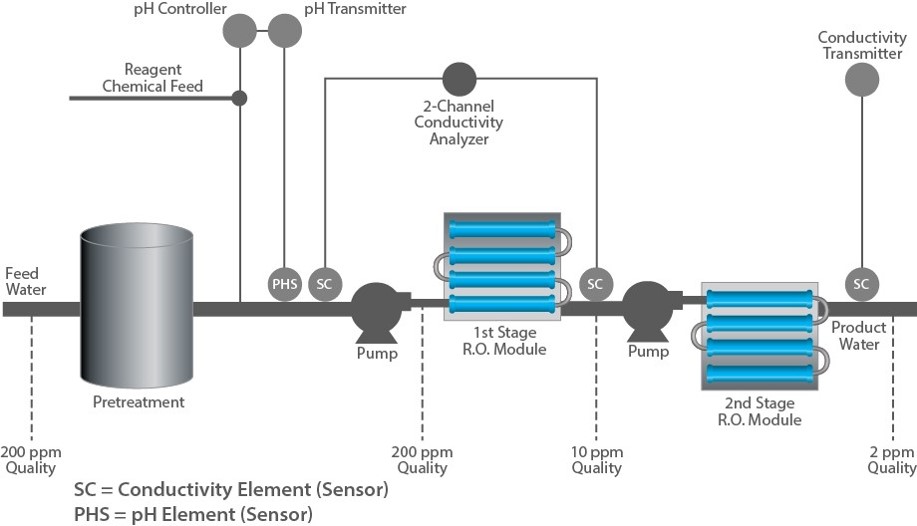
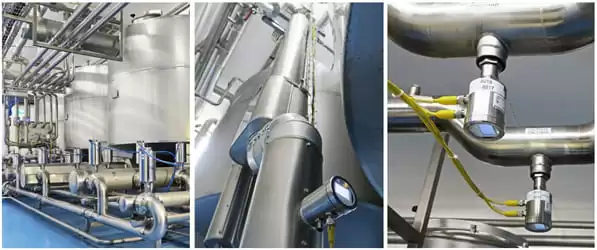
Conductivity & TDS Analysis
Conductivity and TDS readings determine ionic purity, dissolved solids loading, boiler salt carryover, RO permeate health, CIP detergent concentration accuracy, and ionic contamination in process equipment. Forbes Marshall Aqua series, Hach GLI Pro, and Baumer AFI4, AFI5, PAC50S analyzers enable fast, reproducible conductivity detection across ultra-low micro-Siemens DM lines to high-range brine concentration modules.
Pharma-grade USP-Purified Water and WFI generation depend on continuous conductivity integrity for sanitization, temperature correction compliance, and endotoxin limit assurance. Baumer PAC50S is uniquely designed for hygienic installations, CIP/SIP zones, sterile loops, and dairy process pipework where surface polishing and microbial retention control are crucial. TDS determination helps dye recovery lines, electroplating rinse waters, distillery condensate recovery, chemical brine regeneration, and RO reject equalization systems maintain regulatory discharge limits and operational safety. High immunity to ambient temperature drift and fouling buildup ensures minimal recalibration and stable signal mapping to SCADA historians.
Dissolved Oxygen (DO) Analyzers
Dissolved Oxygen monitoring defines biological oxygen demand compliance, aeration basin tuning, fermentation oxygenation windows, activated sludge survival, high-purity water deaeration checks, and process culture control. Forbes Marshall Aquamax DO and Aqua 4Trans and Hach SC4500 DO analyzers incorporate membrane-less optical sensing, eliminating electrolyte refill errors and reducing fouling impact on DO kinetics. Optical DO eliminates polarization delay and provides instant start capability—important for breweries, fermentation tanks, enzyme conversion lines, and biological wastewater operations.
In aeration basins and nitrification reactors, over-aeration wastes energy and increases blower maintenance, while under-aeration leads to ammonia breakthrough, sludge decay, odor formation, and microbial inhibition. Continuous DO optimization reduces electrical blowdown cost, preserves microbial load stability, and maintains effluent discharge within CPCB safety norms. In pharma nutrient media and yeast propagation, DO precision enables batch repeatability and avoids anaerobic shift, foam burst, and metabolic imbalance.
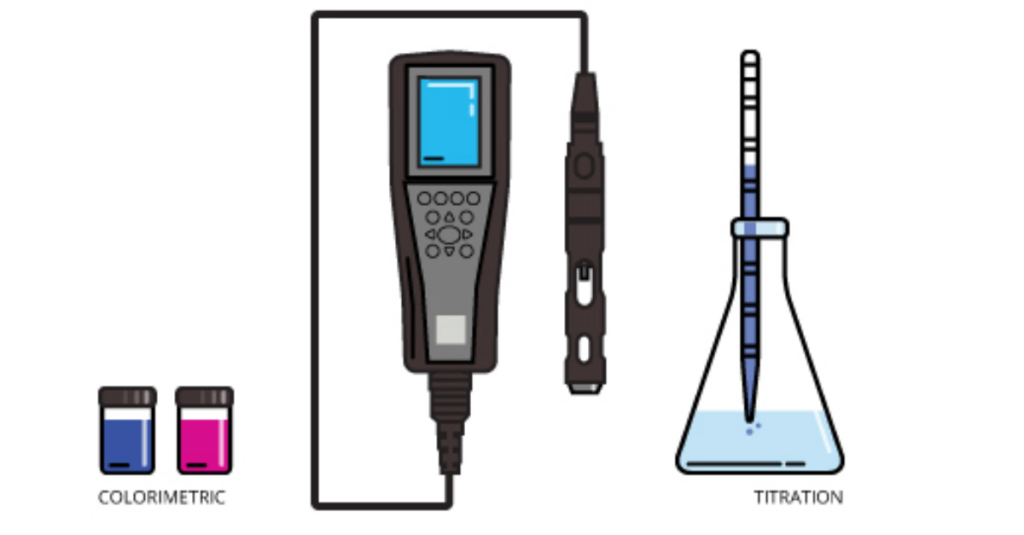
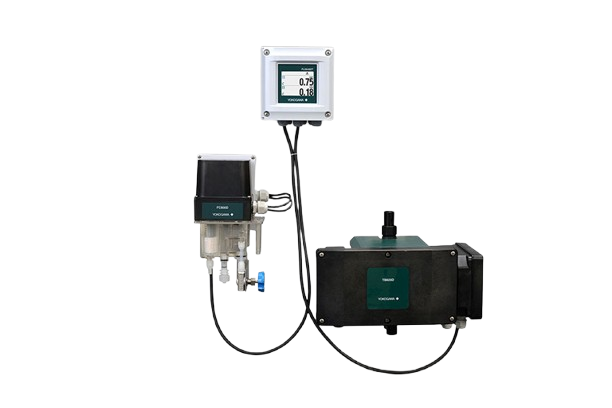
Turbidity, MLSS, and Chlorine Measurement
Turbidity and solids concentration (MLSS) represent the core quality specification for effluent clarity, membrane fouling forecasting, filter bed condition, RO cartridge protection, and final discharge compliance. Forbes Marshall Aqua 4Trans with turbidity optics and Hach SC4500 offer non-contact, self-cleaning optical paths ensuring low-maintenance measurement even in fouling streams, sludge thickeners, DAFT floatation, and clarifier overflow systems.
MLSS monitoring stabilizes return activated sludge pumping, nutrient oxygen demand control, and sludge retention time optimization across STP, ETP, ZLD, and high-organic brewery waste. Stable MLSS management eliminates settling failures, sludge bulking, biological crash cycles, and aeration overload.
Chlorine analyzers like Forbes Marshall Optisens CL1100 deliver precise dosing validation in swimming pools, industrial cooling towers, packaged water filling plants, and pharma rinse systems. Chlorine decay tracking and breakpoint chlorination monitoring ensure sterility without taste contamination, formation of trihalomethanes, or resin damage in softener pre-treatment beds.
Urbidity, MLSS, and Chlorine Measurement
Turbidity and solids concentration (MLSS) represent the core quality specification for effluent clarity, membrane fouling forecasting, filter bed condition, RO cartridge protection, and final discharge compliance. Forbes Marshall Aqua 4Trans with turbidity optics and Hach SC4500 offer non-contact, self-cleaning optical paths ensuring low-maintenance measurement even in fouling streams, sludge thickeners, DAFT floatation, and clarifier overflow systems.
MLSS monitoring stabilizes return activated sludge pumping, nutrient oxygen demand control, and sludge retention time optimization across STP, ETP, ZLD, and high-organic brewery waste. Stable MLSS management eliminates settling failures, sludge bulking, biological crash cycles, and aeration overload.
Chlorine analyzers like Forbes Marshall Optisens CL1100 deliver precise dosing validation in swimming pools, industrial cooling towers, packaged water filling plants, and pharma rinse systems. Chlorine decay tracking and breakpoint chlorination monitoring ensure sterility without taste contamination, formation of trihalomethanes, or resin damage in softener pre-treatment beds.
BOD, COD & Multiparameter Platforms
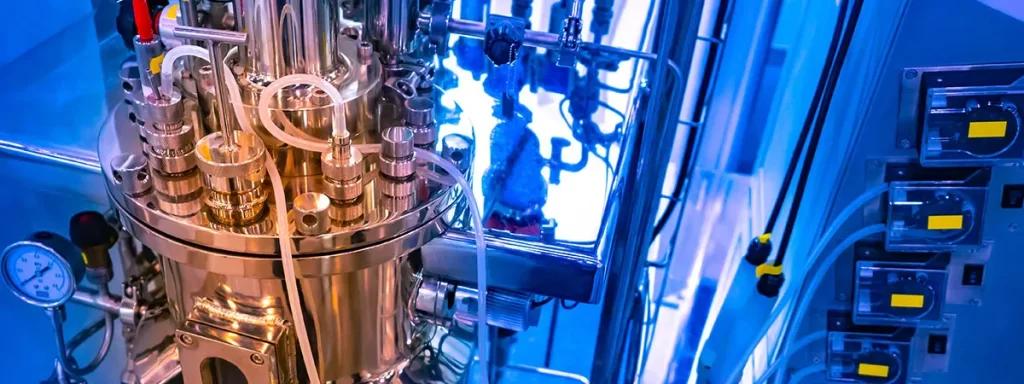
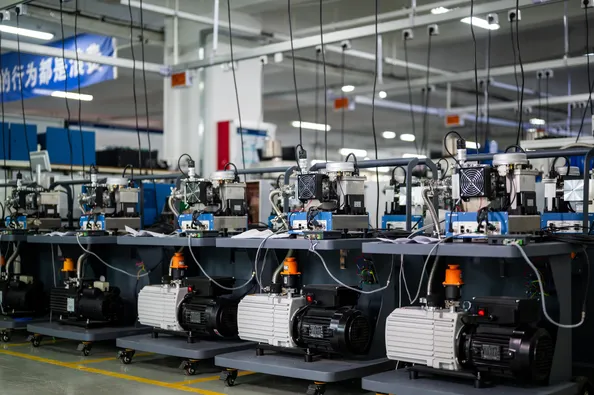
Organic load measurement through BOD/COD defines the wastewater compliance framework. Forbes Marshall CX2000 multiparameter platform consolidates COD, BOD, pH, turbidity, chlorine, DO, and conductivity into one integrated control system with auto-calibration, reagent minimization, and A/D optimization. It supports accurate COD oxidation measurement for distillery wash, dairy whey, brewery returns, slaughterhouse effluent, and flavor concentrate wastewater streams. BOD/cCOD mapping enables early biological system feedback before nitrification collapse occurs, ensuring expected DMR (Daily Monitoring Reports) and audit transparency.
With increasing environmental penalties and ZLD enforcement, online COD analyzers reduce manual sampling dependency, operator error, chemical handling hazard, and delayed corrective response. Automatic reagent dosing, clog-resistant tubing, and digital diagnostics reduce calibration drift, maintenance load, and operational downtime.
Industrial Integration & Digital Architecture
Modern analytical platforms feed core operational intelligence into SCADA, PLC, IIoT, historian platforms, and cloud dashboards. HART-enabled transmitter boards, diagnostics, event alarms, electrode health tracking, and calibration validation allow predictive maintenance and remote audit-ready reporting. CIP/SIP sterilizable designs, hygienic ferrule connections, and ingress-resistant electronics ensure uninterrupted measurement cycles in aggressive washdown environments typical in dairy sterilization tunnels, beverage filling halls, and WFI loops.
Industrial analytics govern membrane integrity, steam condensate purity, nutrient media viability, biological oxygen curves, sulfide breakthrough, disinfectant burnout, UV degradation, and organic fouling forecast. Long-term reliability reduces annual chemical burden, blowdown frequency, disinfectant waste, aeration energy, and effluent non-compliance risk.