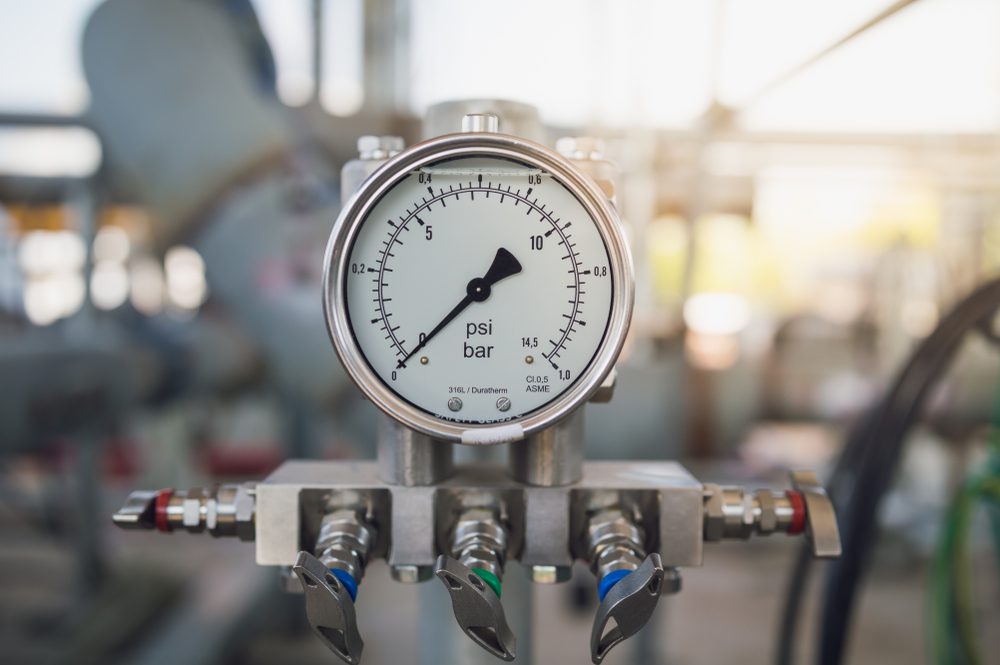
Pressure Gauges — Reliable Pressure Measurement for Process & Utilities
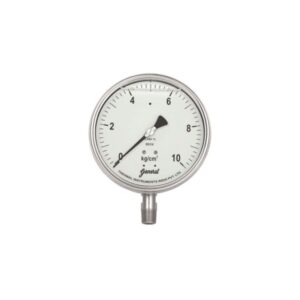
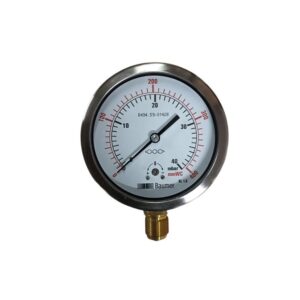
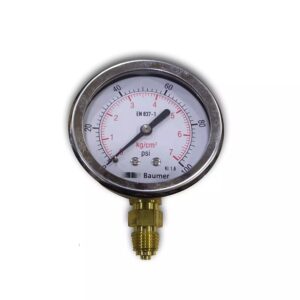
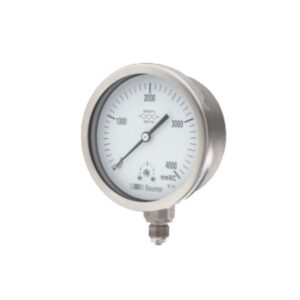
Accurate pressure measurement is fundamental to safe plant operation, process control, leak detection and regulatory compliance. At NPK Industries, we supply a wide range of mechanical and process pressure gauges from trusted brands — Baumer and GIC — suitable for industrial, hygienic, and utility applications. Our offerings include standard bourdon tube gauges, diaphragm gauges, capsule and differential gauges, specialised sanitary designs and high-accuracy variants for critical loops.
What is a Pressure Gauge?
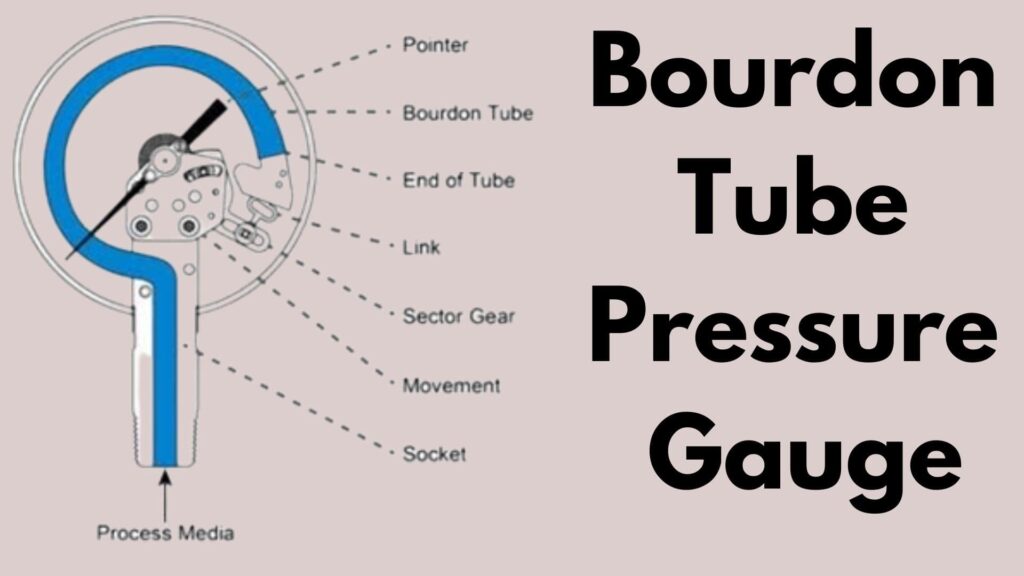
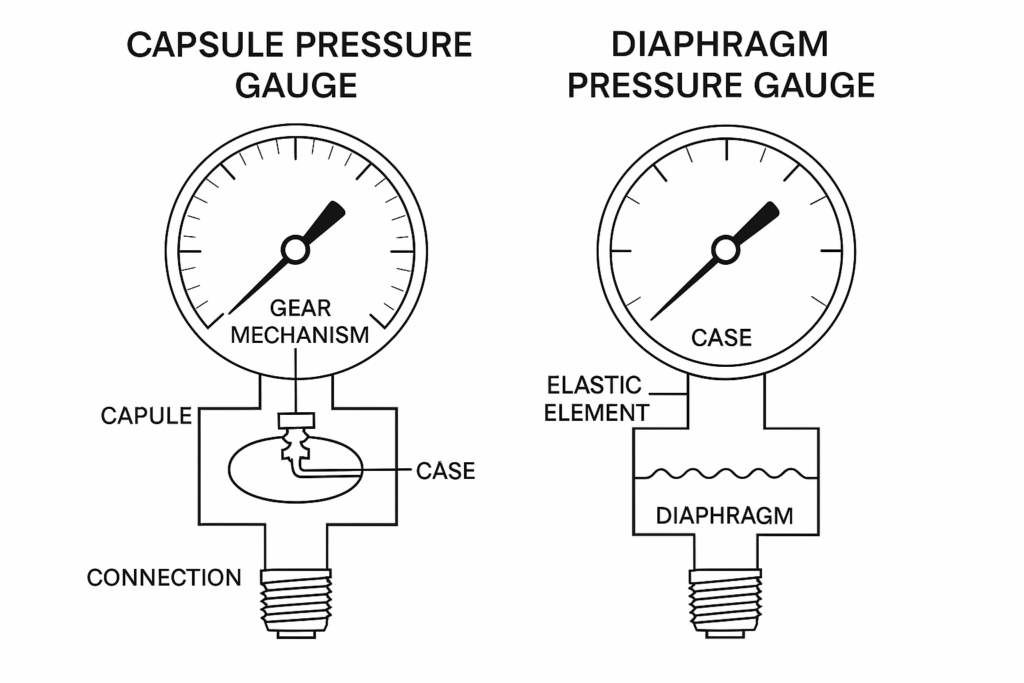
A pressure gauge is an instrument that converts process pressure (liquid or gas) into a readable mechanical or electrical output. Mechanical gauges (bourdon, diaphragm, capsule) use elastic elements which deform under pressure; this deformation is transmitted via gearing to a pointer on a dial. Modern gauges may include integrated transmitters offering 4–20 mA / HART outputs for SCADA/PLC integration.
Principle: A C-shaped (or helical) flattened tube tends to straighten when internal pressure increases. This elastic deformation is transmitted by a linkage-and-gear to a pointer.
Use: General process pressure, steam, water, hydraulic systems.
Advantages: Robust, simple, no power needed, wide ranges (vacuum to high pressure).
2. Diaphragm Gauge
Principle: A flexible diaphragm deflects under differential pressure; the deflection is amplified mechanically or electronically.
ALF — Compact sanitary/hygienic gauges with tri-clamp/flanged options — commonly used in dairy, food & pharma.
ATD / ATC — Diaphragm & capsule variants for low-pressure and corrosive media; sanitary options available.
AXF — High-accuracy, capsule/differential models for instrumentation panels and calibration use.
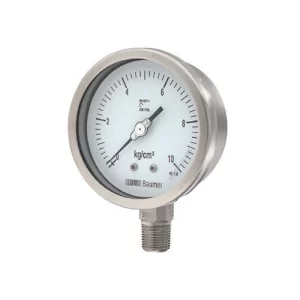
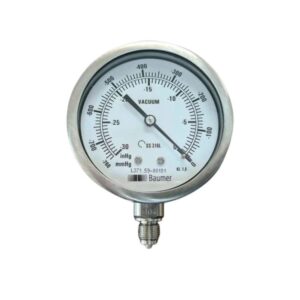
Baumer strengths: High build quality, comprehensive hygienic options, strong European manufacturing standards, good availability of sanitary materials (SS316L), and advanced design for damped movement (suitable for pulsating fluids).
GIC — BSPG Series (Bourdon / Panel Gauges) — strengths & typical use
BSPG — General purpose bourdon tube gauges in robust housings; often cost-effective with reliable accuracy classes for industrial applications.
GIC strengths: Competitive pricing, straightforward and rugged construction for heavy industrial use, rapid delivery for standard ranges, and simple interchangeability for maintenance.