
FLOW MEASUREMENT – Complete Industrial Solutions
Flow measurement is one of the most critical parameters in process industries. Whether you’re running a dairy plant, chemical unit, pharma line, water treatment plant, or utility system, the ability to accurately measure liquid, gas, and steam flow directly impacts product quality, safety, efficiency, and overall plant performance.
At NPK Industries & Co., we provide a complete range of advanced flow metering technologies designed to deliver high accuracy, reliability, and long-term operational stability. Our product portfolio includes electromagnetic flow meters, ultrasonic flow meters, vortex flow meters, Coriolis mass flow meters, and mechanical flow meters — each selected based on your exact process requirements.
Flow meters supplied by NPK are widely used across major industries in India and are backed by engineering support, commissioning services, and lifecycle maintenance.
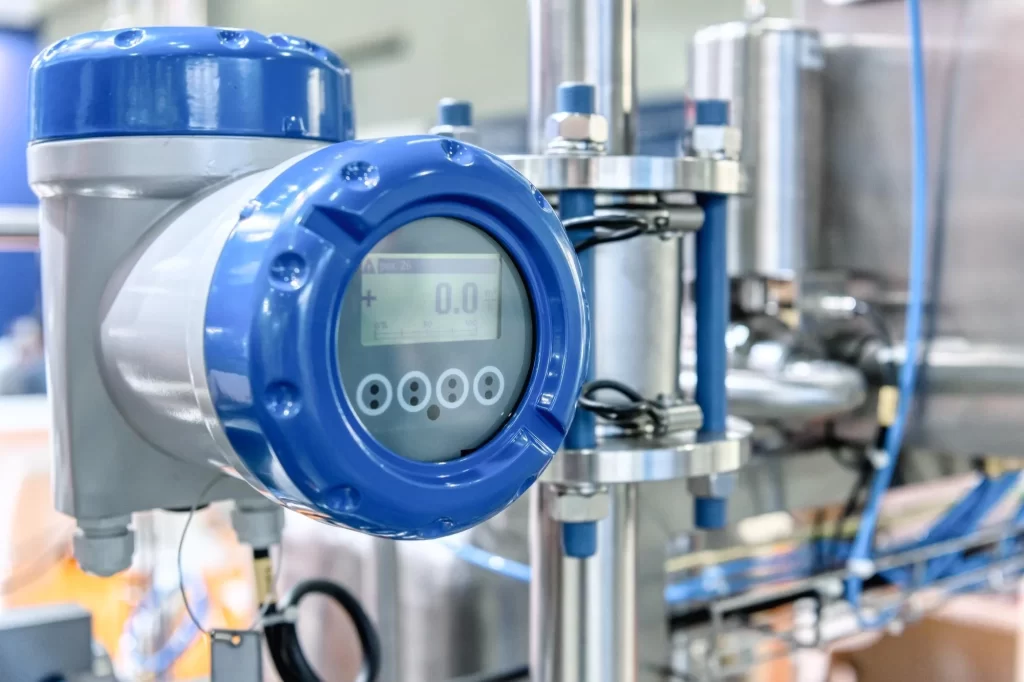
What Is Flow Measurement?
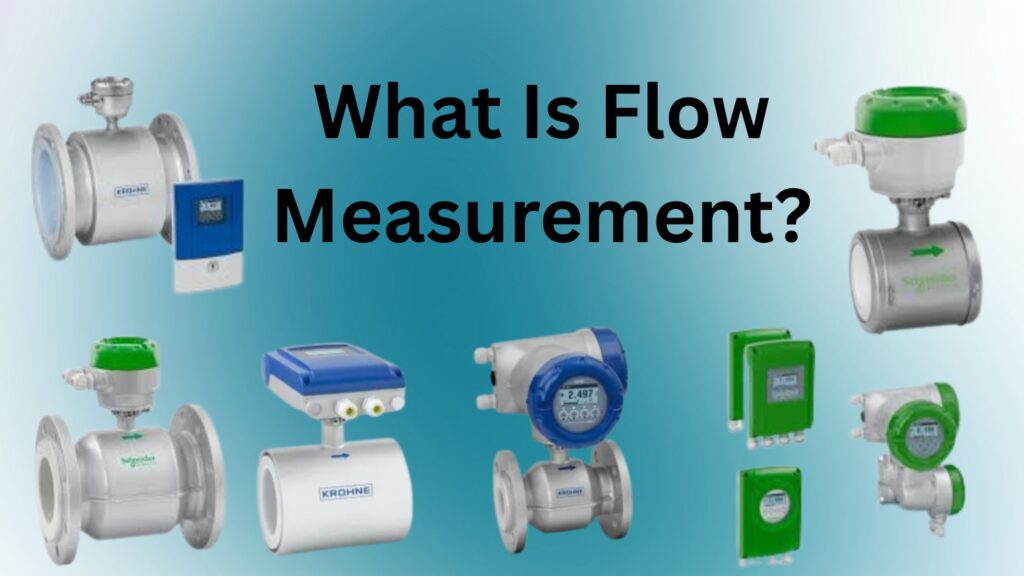
Different technologies are chosen based on fluid conductivity, temperature, pressure, pipe size, viscosity, and accuracy requirements.
Flow measurement refers to the quantification of the movement of fluids, which may include:
- Water
- Chemicals
- Oils
- Steam
- Slurries
- Gases
- Food-grade liquids
Flow Sensors - Calorimetric Insertion Type Solutions
Flow measurement is a critical requirement in modern industrial automation, utilities management, and process control systems. Accurate flow monitoring ensures process stability, equipment protection, energy efficiency, and operational safety across industries such as water treatment, food & beverage, pharmaceuticals, chemicals, power plants, and OEM machinery.
Among the various flow measurement technologies available today, calorimetric insertion-type flow sensors have gained wide acceptance as a reliable, compact, and maintenance-free solution, especially for liquid flow monitoring in closed pipelines.
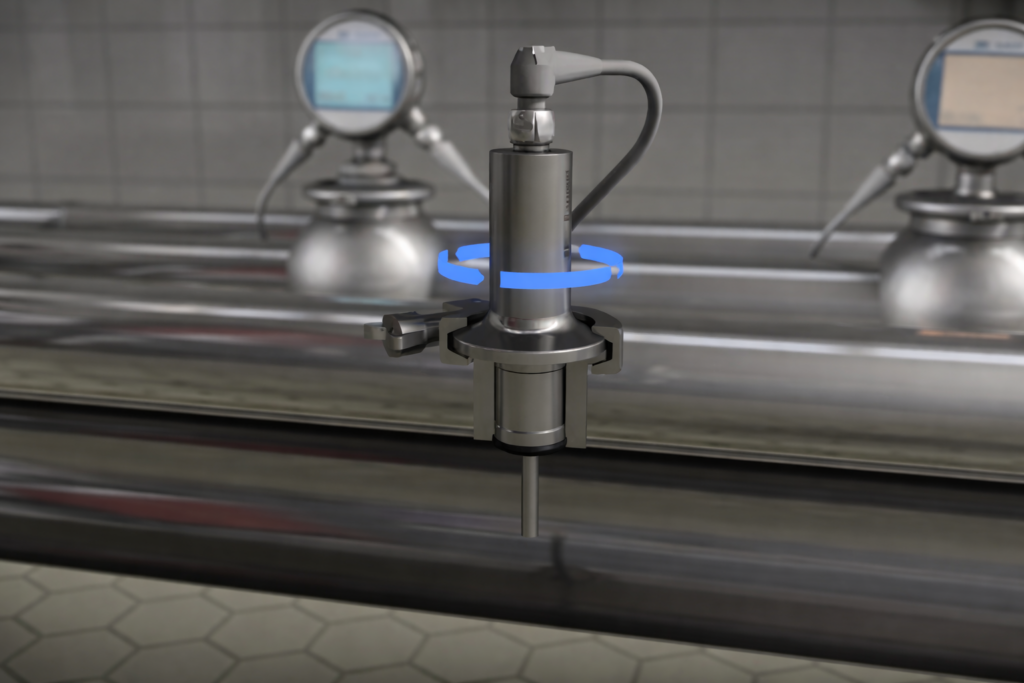
Flow Sensor & Flow Meter – Understanding the Difference
In industrial practice, the terms flow sensor and flow meter are often used interchangeably, but technically they serve slightly different purposes.
Flow Sensor
- Flow / no-flow conditions
- Flow thresholds
- Relative or trend-based flow changes
Flow Meter
- Exact quantitative flow values (LPM, m³/hr, kg/hr)
- High-accuracy measurement for billing or custody transfer
Calorimetric insertion-type devices are technically classified as flow sensors, but in many industrial applications, they also function as compact flow meters for monitoring and control purposes. Their strength lies in process protection, utility monitoring, and automation logic, rather than billing-grade measurement.
Understanding Calorimetric Flow Measurement Technology
Calorimetric flow sensors operate on the thermal heat transfer principle. The sensor contains two temperature elements:
- One element is electrically heated
- The second element measures the fluid temperature
When there is no flow, the heat remains concentrated around the sensor. As the fluid starts flowing, it carries away heat from the heated element. The rate of heat loss is directly proportional to the flow velocity and mass flow of the liquid.
By precisely measuring this temperature difference, the sensor determines:
- Presence or absence of flow
- Relative flow rate
- Flow trend and stability
This technology is especially effective for low flow detection, where many mechanical or electromagnetic flow meters struggle.